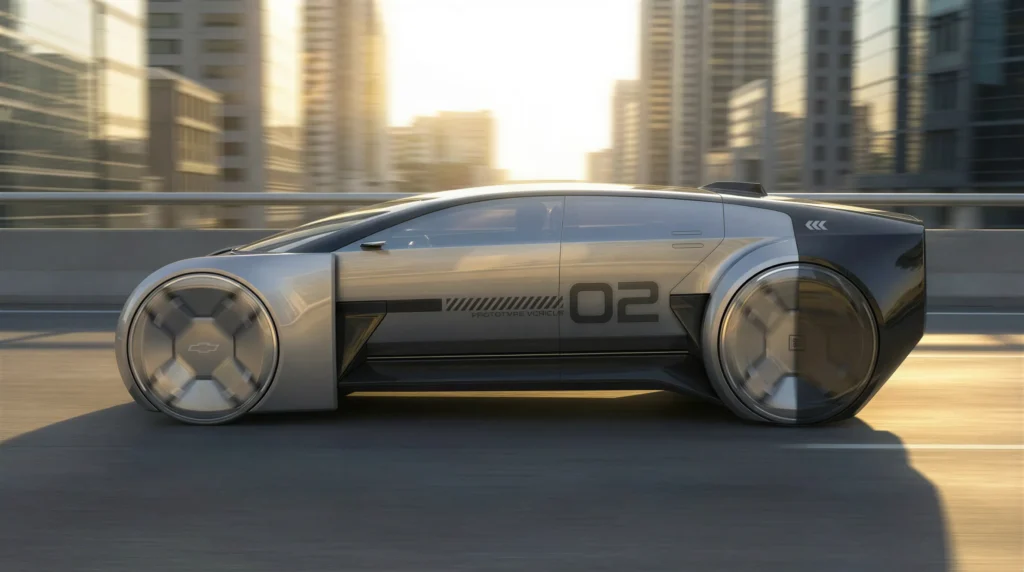

The auto design world is full of advanced 3D visualization tools and VR sculpting platforms, but your average new car still enters the world as a sketch.
Those sketches traditionally see endless iteration and refinement from all angles before being turned into 3D models by hand. Some die in the digital world, others get sculpted into clay to better visualize lines and profiles. That’s just the beginning of a design and development process that often takes a half-decade or more.
That means many new cars hitting dealerships this summer were first sketched in 2020 or 2021, back when alternative fuel incentives were widespread and the pandemic was still fresh in everyone’s mind. By the time those designs roll onto the lot, the market has already moved on.
This is where AI comes in, and it’s not just about generating pretty images. I’ve been watching this space for a while, and the shift from “AI as a novelty” to “AI as a legitimate design tool” has been surprisingly fast.
Take the concept car that The Verge recently covered. The design was generated entirely by a machine learning model trained on thousands of existing vehicle shapes, aerodynamic data, and user preference surveys. The result isn’t just a weird blob that looks like a melted sneaker. It’s a functional, production-ready design that actually looks good.
What’s interesting is how the AI handled trade-offs. Traditional designers spend weeks debating whether a sharper front grille is worth the drag coefficient penalty. The model just runs the numbers and spits out a shape that optimizes for both aesthetics and efficiency. It’s not creative in the human sense, but it’s brutally effective.
Of course, this approach has been tried before. Several automakers have dabbled with generative design for internal components and chassis structures. But applying it to the exterior, the part of the car that sells itself, is a whole different ballgame.
The biggest hurdle isn’t the technology. It’s the cultural resistance. Car designers are artists. They don’t want to be told that a machine can do their job better. And honestly, they’re right to be skeptical. AI-generated designs still lack the emotional nuance that makes a car feel special. But as a starting point, or as a way to rapidly iterate through thousands of variations, it’s a game changer.
I’m not saying AI will replace car designers tomorrow. But if you’re a young designer entering the field, you’d better learn how to work with these tools. The days of spending six months perfecting a single sketch are numbered.
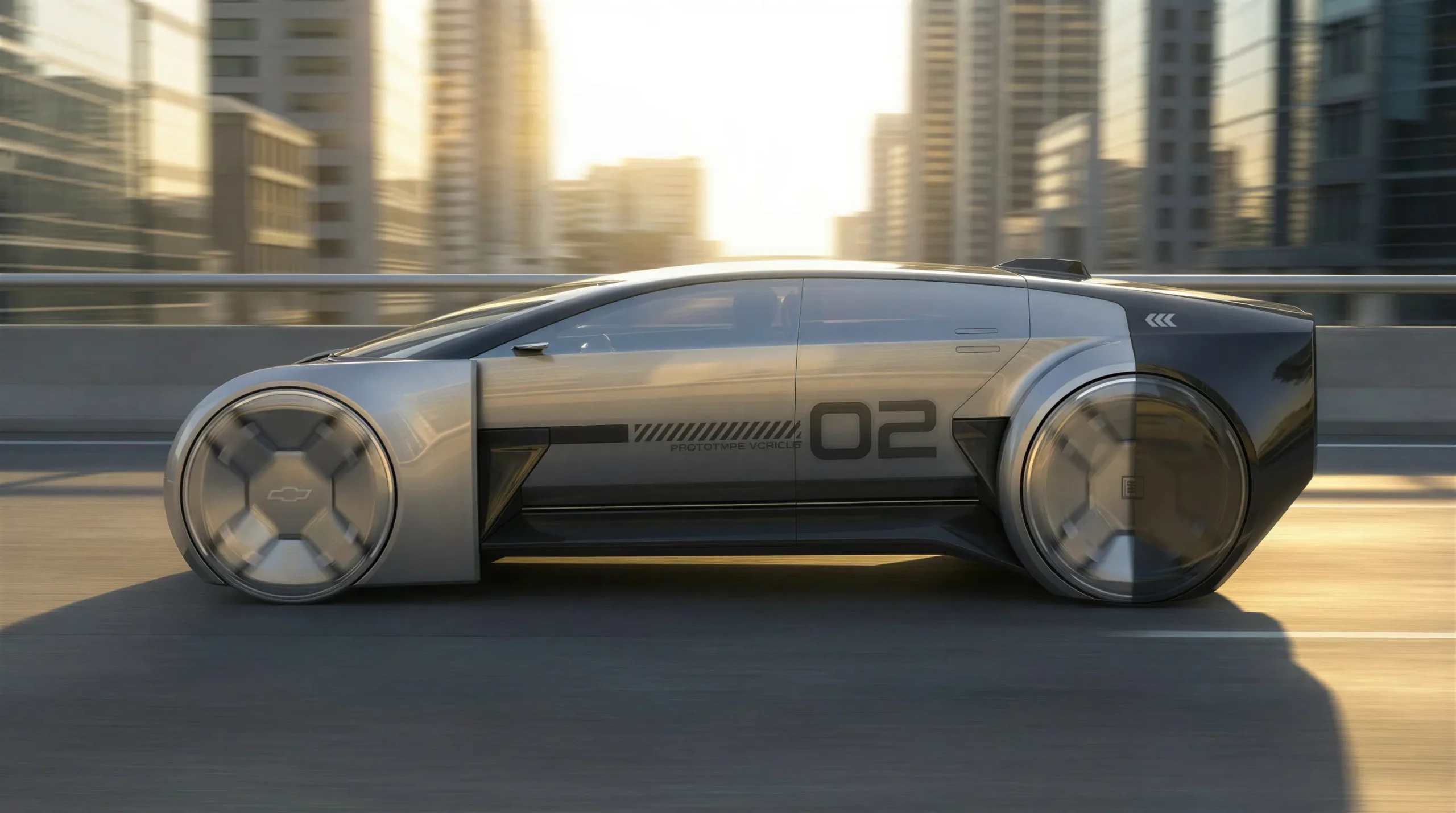
The image above is from the actual AI-designed concept. Look at the proportions. The wheel-to-body ratio, the beltline, the way the C-pillar flows into the rear. A human designer would have agonized over those details. The AI just optimized them.
Will we ever see a fully AI-designed production car on the road? Probably sooner than most people think. The infrastructure is already there. The data is there. The only thing missing is the will to trust the machine.
And honestly, after seeing what this thing looks like, I’m starting to trust it a little more.
Comments (0)
Login Log in to comment.
Be the first to comment!