
The numbers are staggering. In the first 24 hours of the assault on Iran, the US military hit more than 1,000 targets. That’s nearly double the scale of the “shock and awe” campaign against Iraq back in 2003. What changed? AI.
Specifically, the Maven Smart System. It’s the military’s pet project for speeding up the targeting loop—from hours to minutes. And it didn’t just appear overnight.
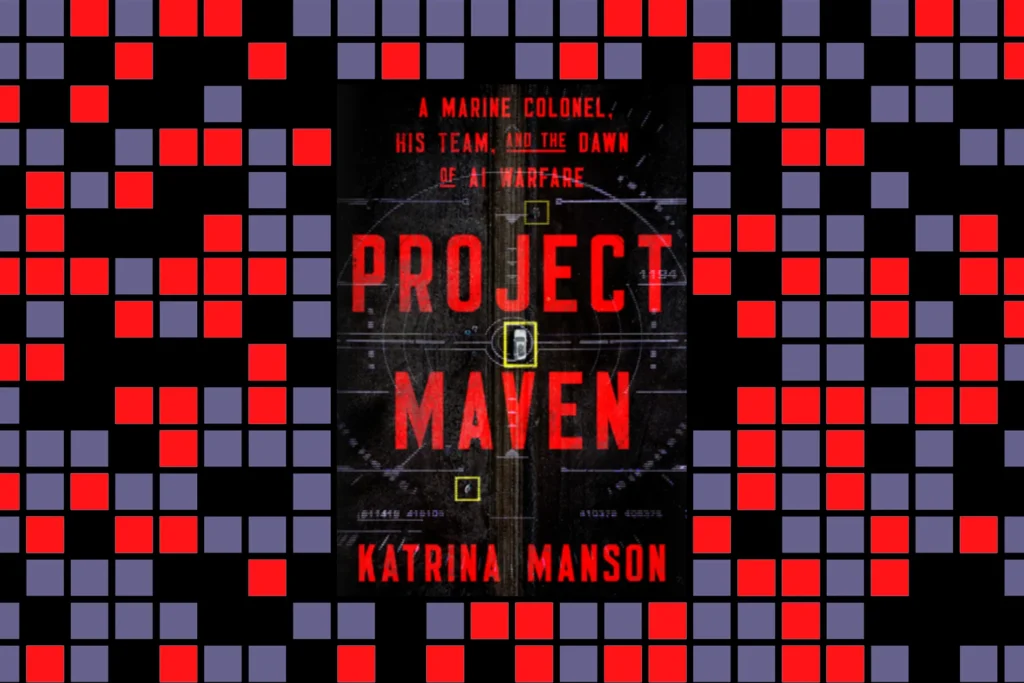
Katrina Manson’s new book, Project Maven: A Marine Colonel, His Team, and the Dawn of AI Warfare, digs into the messy, controversial history. It started in 2017 as a small experiment: could computer vision make sense of the endless drone footage flooding analysts? The answer was yes, but the path was anything but smooth.
Google was the initial contractor. Remember the employee protests? Hundreds of staffers signed petitions, some quit, demanding the company drop the contract. They didn’t want their work fueling drone strikes. Google eventually backed out, but the military didn’t stop. They took the tech in-house, refined it, and scaled it.
Fast forward to 2024, and Maven is everywhere. It’s not just about spotting targets anymore. The system now integrates intelligence feeds, predicts enemy movements, and even suggests optimal weapon-to-target pairings. The human is still in the loop—for now—but the loop is getting tighter every year.
I’ve seen this pattern before in other defense tech: early hype, ethical blowback, then quiet adoption. What’s different here is the sheer velocity. The Iran campaign wasn’t a test; it was a demonstration of what AI-enabled warfare looks like at scale. The military loves it because it works. The critics worry because it works too well.
Manson’s book apparently doesn’t shy away from the uncomfortable questions. Who’s accountable when an AI misidentifies a target? How do you audit a system that’s constantly learning? The Pentagon’s answer so far has been: we’ll figure it out as we go. That’s not reassuring, but it’s honest.
What strikes me most is the cultural shift. The military has traditionally been skeptical of new tech—remember how long it took them to adopt GPS? But Maven proved itself in real operations, and now commanders are asking for more AI, not less. The genie isn’t going back in the bottle.
If you want the full story, Manson’s book is out now. The Verge has a good excerpt too. Just don’t expect a neat conclusion. This is a technology that’s already reshaping warfare, and we’re only beginning to understand the consequences.
Comments (0)
Login Log in to comment.
Be the first to comment!