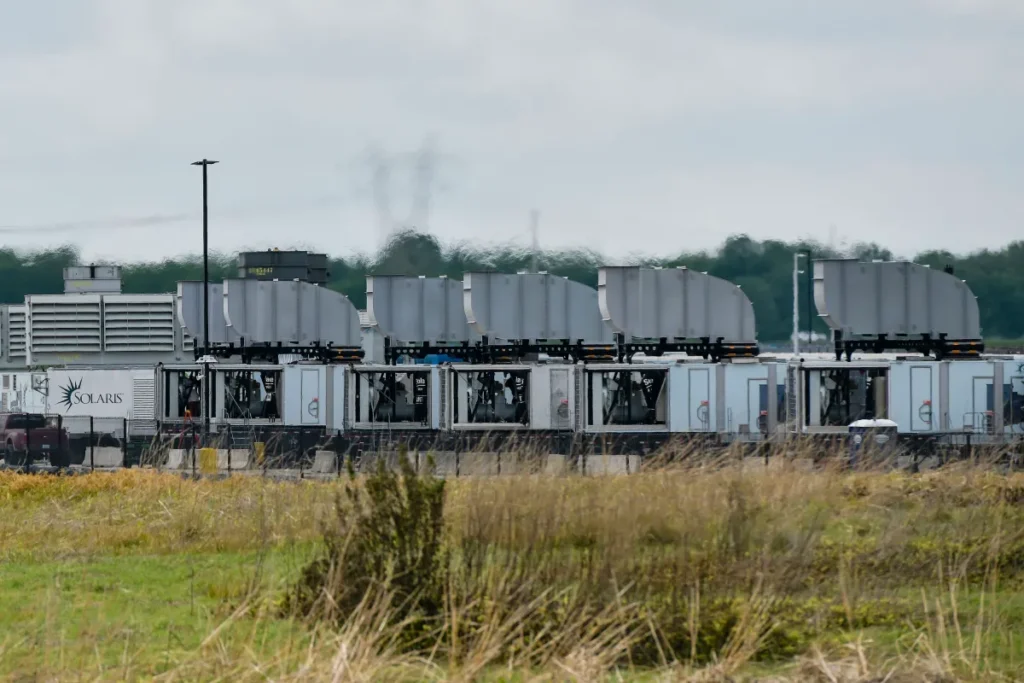

Maine Governor Janet Mills just vetoed LD 307, a bill that would have made the state the first in the country to impose a statewide moratorium on new data centers. The ban was set to run until November 1, 2027 — nearly 18 months from now.
This isn’t some symbolic gesture. LD 307 was a real attempt to pump the brakes on the explosive growth of data centers, which are guzzling power and water at alarming rates as AI workloads explode. Mills isn’t buying it, at least not in this form.
Her veto message was pretty direct. She argued that a blanket moratorium would send the wrong signal to businesses looking to invest in Maine. The state has been courting tech and clean energy projects, and a freeze on data centers — which are increasingly critical infrastructure — would undermine that work.
I get where she’s coming from. Data centers are a jobs and tax revenue play, especially in rural areas where land is cheap and power is available. But let’s be real: the environmental cost is mounting. These facilities are power hogs, and their cooling systems can strain local water supplies. Maine isn’t exactly Silicon Valley, but it’s got a growing tech presence, and the state’s grid isn’t built for limitless expansion.
What’s interesting is that this was the first attempt at a statewide moratorium in the U.S. Other states have tried local restrictions or utility-level caps, but nobody has gone full stop until now. The fact that it got far enough for a veto shows how serious the tension is getting between AI-driven demand and sustainability.
Mills also pointed out that the bill was too blunt. It didn’t differentiate between small edge data centers and massive hyperscale facilities. A small server room for a local hospital would have been lumped in with a 200-megawatt AI training cluster. That’s lazy policy, and she was right to call it out.
But here’s the thing: the underlying problem isn’t going away. Data center energy consumption in the U.S. is projected to triple by 2030, according to some estimates. Maine’s grid is already under pressure from winter heating loads and intermittent renewables. A moratorium might be too blunt, but doing nothing is worse.
I suspect we’ll see more targeted measures in the coming months — maybe efficiency standards, water usage limits, or grid interconnection requirements. The veto doesn’t kill the conversation. It just resets it.
For now, Maine remains open for data center business. But the clock is ticking. If the industry doesn’t get serious about efficiency and community impact, this kind of moratorium will keep coming back, maybe in a smarter form next time.
Comments (0)
Login Log in to comment.
Be the first to comment!