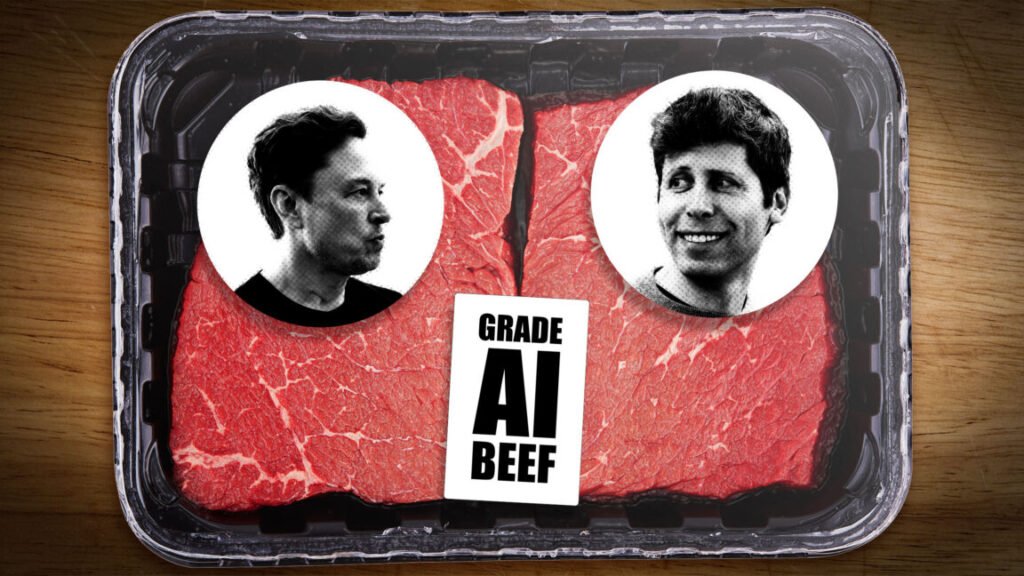

Elon Musk just changed the playbook in his ongoing legal spat with OpenAI. On Tuesday, he filed an amended version of the lawsuit that accuses Sam Altman and company of abandoning their original nonprofit mission. The key difference this time: Musk is explicitly saying he doesn’t want any money for himself. If he wins, he wants the damages funneled back to OpenAI’s charitable nonprofit arm.
His lawyer, Marc Toberoff, made that crystal clear to the Wall Street Journal. “Musk is not seeking a single dollar for himself,” Toberoff said. The move is clearly designed to undercut one of OpenAI’s main defenses — that the lawsuit is just a rich guy trying to harass a competitor. By taking personal financial gain off the table, Musk’s team is trying to reframe this as a principled fight about corporate mission drift.
For those who haven’t been following every twist: Musk co-founded OpenAI back in 2015 as a nonprofit dedicated to developing AI safely and openly for humanity. He left the board in 2018, and since then, OpenAI has transformed into a capped-profit company, taken billions from Microsoft, and become the poster child for commercial AI. Musk has been simmering about this for years, and the lawsuit is his most aggressive move yet.
The original complaint was a mess of accusations — breach of contract, breach of fiduciary duty, unfair business practices. OpenAI’s lawyers had a field day pointing out that Musk was trying to personally profit from a lawsuit about a nonprofit’s mission. This amendment cleans that up. Now it’s harder for OpenAI to paint him as just another billionaire throwing his weight around.
I have to say, this is a smart tactical shift. Whether you agree with Musk or not, the “I’m doing this for the mission” framing is much harder to attack than “pay me billions because you hurt my feelings.” But it also raises interesting questions. If Musk wins and the money goes back to OpenAI’s nonprofit, who controls that nonprofit now? The board has been stacked with people aligned with Altman’s vision. Would the money just end up funding the same commercial operations?
We’ll see how the court handles this. The amended complaint is likely to face new motions to dismiss. But Musk has successfully changed the conversation. Now it’s less about his motives and more about whether OpenAI really did break its founding promises. That’s a question worth asking, even if the messenger is complicated.
Comments (0)
Login Log in to comment.
Be the first to comment!