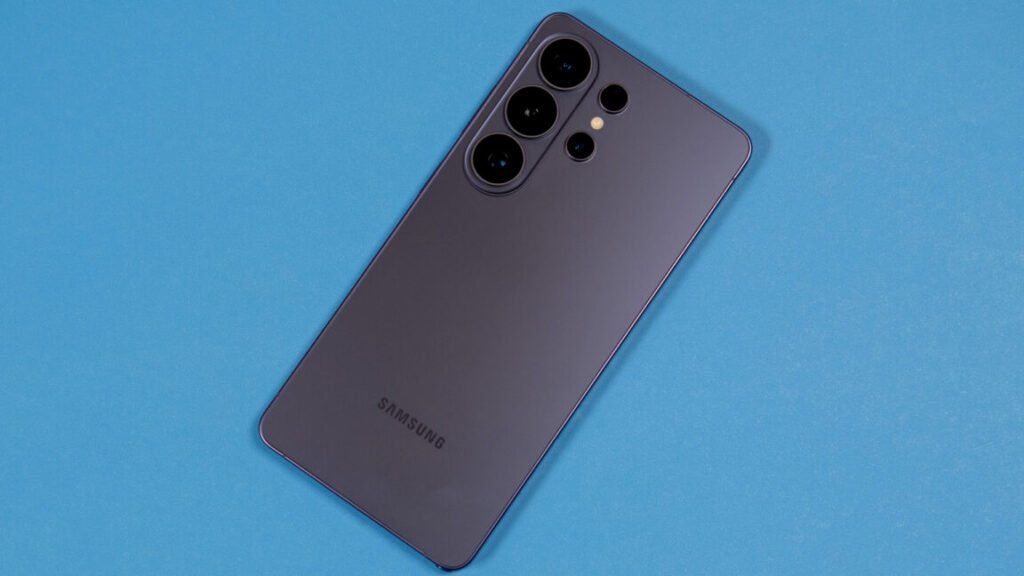

Selling smartphones used to be a license to print money. Everyone wanted one, and each new generation was dramatically better than the last. Those days are gone. The market is mature, most people hold onto their phones longer, and a bunch of manufacturers have already thrown in the towel. But even Samsung, the big dog that’s still standing, might finally hit a wall in 2026.
According to a report from Korean outlet Money Today, Samsung MX (mobile experience) head TM Roh has been warning company leadership that the smartphone division could post its first-ever net loss this year. That’s a big deal. Samsung has weathered economic downturns, pandemic supply chain chaos, and brutal competition without ever losing money on phones. So what’s different now?
The culprit isn’t weak sales — the Galaxy S26 line is apparently doing fine. It’s the cost of components, specifically DRAM and NAND. Prices for these memory chips have gone through the roof, and they’re squeezing margins on every phone sold.
Here’s the thing: AI is eating the world’s memory supply. The LPDDR5x memory that goes into phones is also critical for AI servers. Nvidia’s upcoming Vera AI CPU, which will replace Grace later this year, can pack up to 1.5 TB of LPDDR5x memory per chip. A single rack-scale AI platform with 36 Vera CPUs and 72 Rubin GPUs will consume enough RAM for roughly 4,600 Galaxy S26 Ultra devices (assuming 12GB each). That’s insane.
When hyperscalers are buying memory by the terabyte for AI clusters, it creates a supply crunch that hits phone makers hard. Samsung is in a weird position here — they manufacture their own memory, so you’d think they’d benefit from high prices. But the mobile division buys from the same internal pool, and the transfer prices have gone up. The net effect is that phones become more expensive to build, and Samsung can’t just pass all of that cost to customers without killing demand.
I find it striking that this is happening despite strong flagship sales. The S26 series is reportedly selling well, but that’s not enough when the cost of every single unit has jumped. It makes you wonder how smaller phone makers are surviving — or if they are.
This also raises a broader question about the smartphone industry’s future. If even Samsung struggles to turn a profit, what does that mean for everyone else? The era of easy money in phones is clearly over. AI might be the next big thing, but for now, it’s making an already tough hardware business even harder.
Comments (0)
Login Log in to comment.
Be the first to comment!