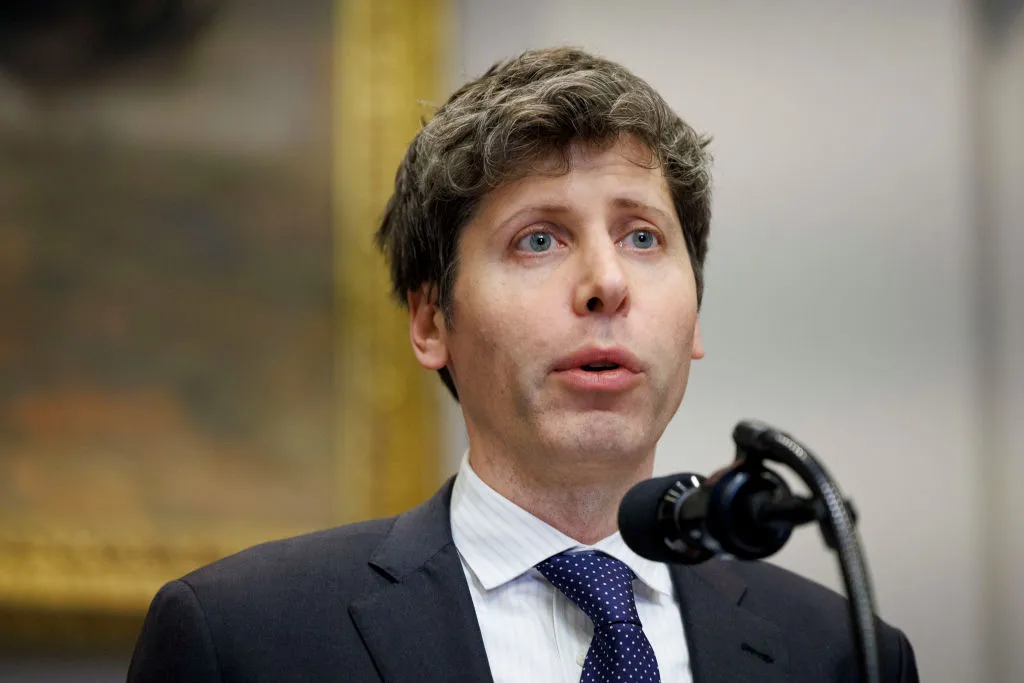

Sam Altman just wrote a letter to the residents of Tumbler Ridge, a small town in British Columbia, and it’s not the kind of note you want to send. He apologized—”deeply sorry” were his words—for OpenAI dropping the ball on alerting law enforcement about a suspect in a recent mass shooting.
This is one of those incidents that makes you pause. Here’s a company that builds some of the most powerful AI tools on the planet, and yet it somehow failed to do the basic human thing: pick up the phone and call the cops when something looked off. The shooting happened in Tumbler Ridge, a community of roughly 2,000 people, and the suspect had apparently been flagged by OpenAI’s systems before the event.
Altman’s letter is short and direct. No corporate spin, no deflecting blame. He acknowledges that OpenAI had information that could have been useful to law enforcement and simply didn’t pass it along. “We failed you,” he wrote, according to sources who’ve seen the letter. That’s refreshingly honest, but it also raises uncomfortable questions about how these systems are monitored in practice.
I’ve been following AI safety debates for a while now, and this feels like a case study in the gap between theoretical safeguards and real-world execution. OpenAI has all these content moderation filters, threat detection models, and human review teams, but somewhere along the chain, the signal got lost. It’s easy to build a system that catches bad behavior; it’s harder to build one that reliably acts on it.
The town’s mayor reportedly said residents appreciated the apology but wanted concrete changes, not just words. Fair point. An apology doesn’t bring back lives or undo trauma. What matters now is whether OpenAI actually fixes the pipeline so this doesn’t happen again.
Altman didn’t announce specific policy changes in his letter, but the implication is clear: the company needs to tighten its reporting protocols. If an AI flags a potential threat, there should be a direct line to local authorities, not just a flag in some internal dashboard that someone might or might not check.
This also highlights a broader issue with how AI companies handle edge cases. Most of the attention goes to flashy capabilities—chatbots, image generators, coding assistants. But the boring infrastructure of incident response is where lives can actually be at stake. OpenAI isn’t alone here; every major AI lab has similar blind spots.
I’ll be watching to see if Altman follows up with something more substantial, like a public commitment to mandatory reporting timelines or a dedicated safety response team. Because “we’re sorry” is fine for a start, but trust is rebuilt through actions, not letters.
For now, Tumbler Ridge gets an apology. The rest of us get a reminder that AI safety isn’t just about preventing rogue models—it’s about making sure the humans running them don’t screw up the basics.
Comments (0)
Login Log in to comment.
Be the first to comment!